

Menu synced from your POS
For Toast restaurants, the menu and specials sync on their own, on a schedule or from a tap on your phone when a special needs to go up now. Change it at the register and the website follows.
Restaurant websites
I build websites for restaurants in Metro Detroit and across Michigan that keep themselves up to date. If you run Toast, your menu and specials can flow from the POS to the website automatically, so the site always matches what the kitchen is serving. Hours, address and menu are marked up so Google and AI assistants give the right answer, and every page is built for the phone in your guest’s hand.
Based in Metro Detroit. Working with businesses in Ferndale, Royal Oak, Detroit, Birmingham, Berkley and across Michigan.
No. 01 / Sounds familiar?
No. 02 / What you get
For Toast restaurants, the menu and specials sync on their own, on a schedule or from a tap on your phone when a special needs to go up now. Change it at the register and the website follows.
Restaurant structured data for your address, hours, phone, cuisine and menu, so search engines and AI assistants take the facts from your own site.
Keep the ordering and reservation tools you already use. The site sends guests to them in one tap instead of rebuilding what works.
Menus that read well on a small screen, tap to call, tap for directions, and pages that load fast on a weak signal.
Specials with photos, an events page, and a mailing list signup for your regulars.
If the POS connection hiccups, the site keeps the last good menu. It never goes blank on a Friday night.
No. 03 / How this goes
No twelve-week discovery that produces a slide deck. You see working software early, you talk to me every week, and you can stop after any phase.
Stage 130 min, free
You tell me what is breaking. I tell you whether I am the right person for it. Sometimes the honest answer is no, and you will get that answer on the call.
Stage 21–2 weeks
I map your tools and how the work really gets done, then we agree on a scope and a budget that fits the business. You get a phased plan and a clear decision point before anything gets built.
Stage 38–14 weeks
Working software in staging from week two. A call with me every week. You see it as it comes together, not at the end.
Stage 4Ongoing if you want
Full source, full docs, full ownership. If you stop working with me tomorrow, your team can still run it. A retainer is optional, never assumed.
No. 04 / Related work
Every one is live for a real business. Read how each was built, then click through and judge it yourself.
“Ryan took a long feedback list from a family restaurant and turned it into a site that’s better than we could have imagined, with a menu and weekly specials that update themselves straight from Toast so nobody has to touch the website. He was responsive, thorough, and quick to own and fix anything that came up, which is exactly what you want from someone you’re trusting with your online presence.”
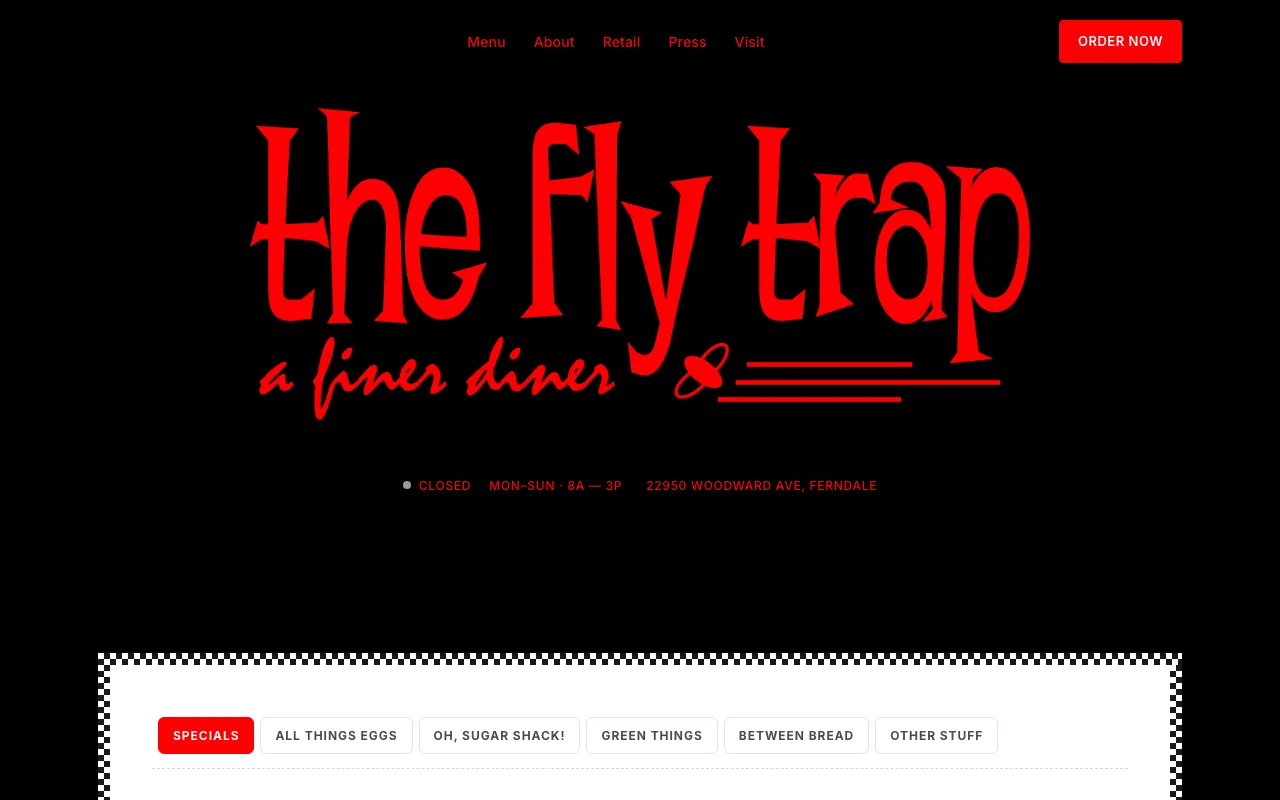
Menu and daily specials sync straight from their Toast POS — nobody has to update the website.
Read the case study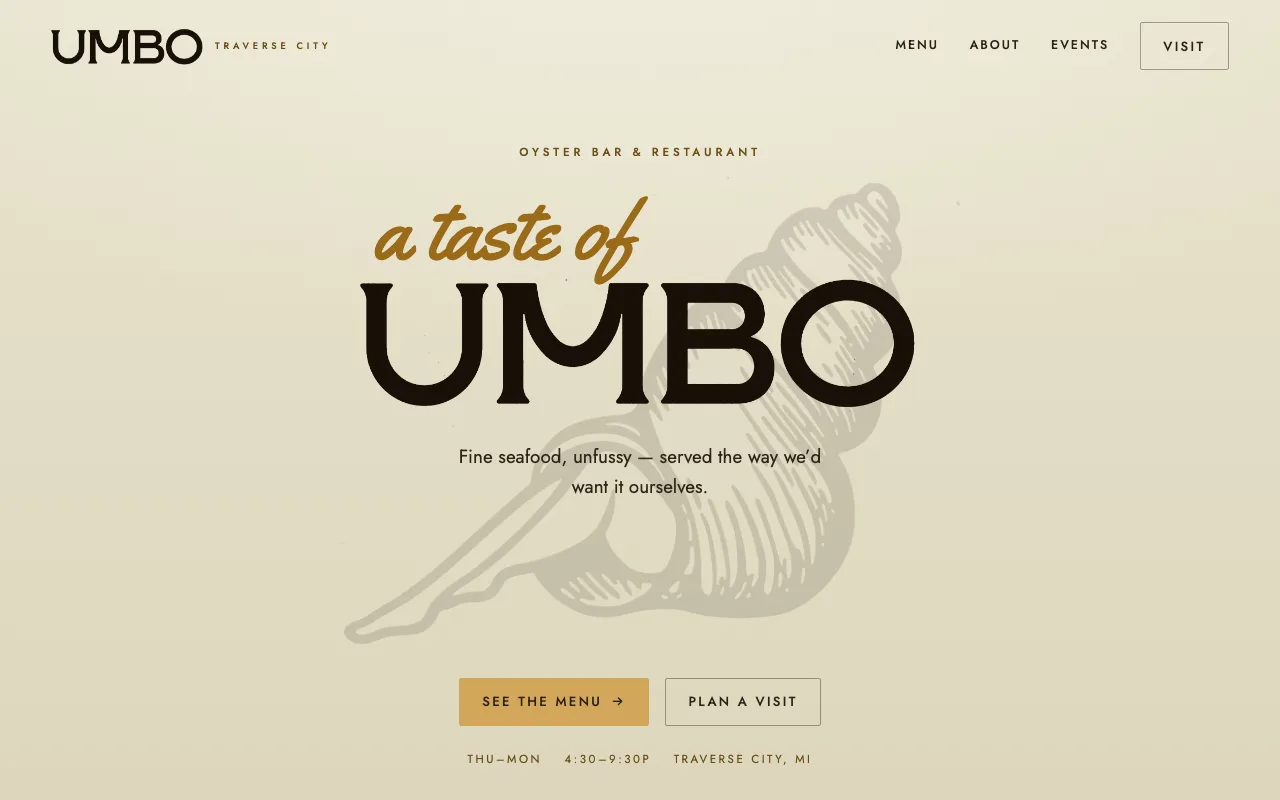
Menu, hours, and location, live the day the doors opened — no placeholder page standing in for a new restaurant.
Read the case study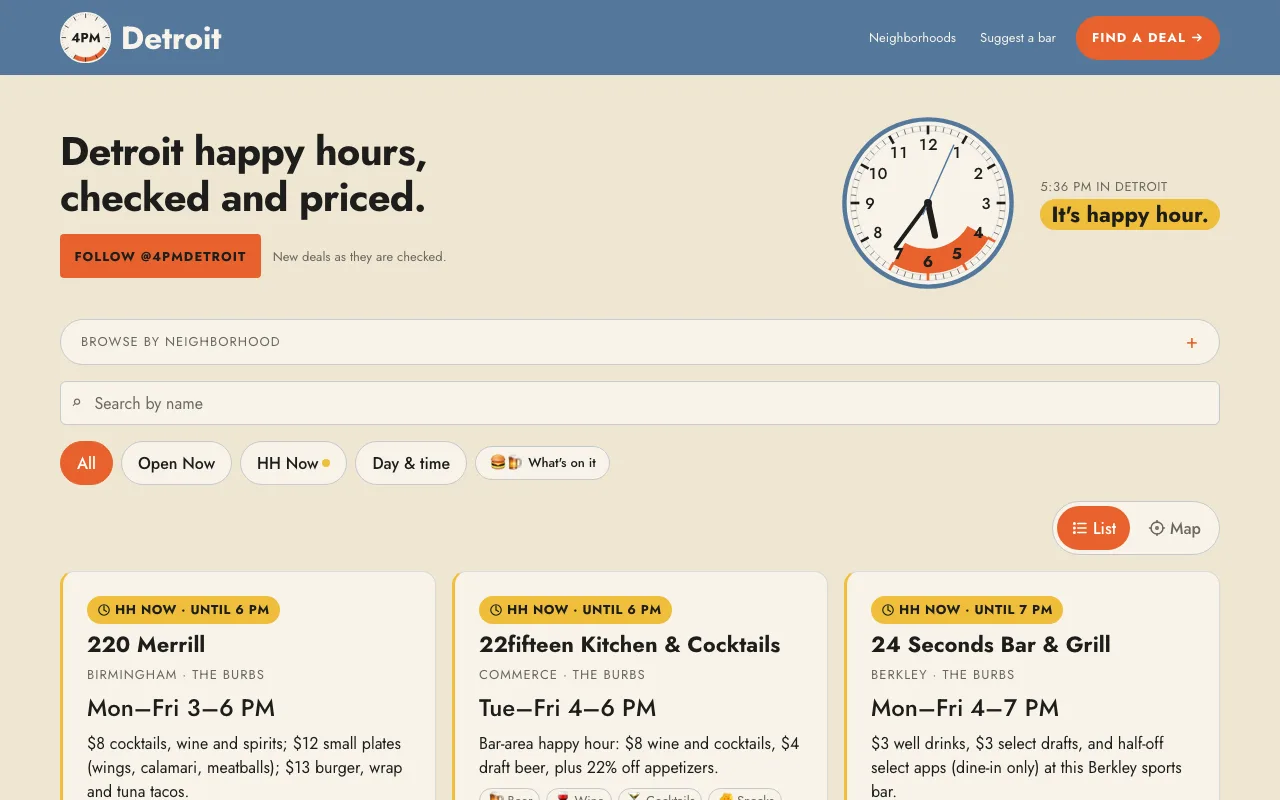
A city-wide happy hour guide, statically generated so 150+ listings load instantly and cost nothing to serve.
Read the case studyNo. 05 / Straight answers
Yes. The Fly Trap in Ferndale works this way: its website reads the menu and weekly specials from Toast through Toast’s API on a schedule, so a change at the register reaches the site within a few hours with nobody touching it, or about a minute after a tap on the owner’s phone when a special needs to go up right away. It needs API access turned on for your Toast location, and I walk you through that.
Toast’s ordering pages handle the order well. Your own site handles everything around it: your story, the room, specials with photos, events, and search visibility on your own domain. Most restaurants keep Toast for ordering and link to it from their own site, which is exactly what The Fly Trap does.
Google pulls from your Business Profile, your website and third-party sites, and when they disagree it guesses. The fix is one current source: keep your Business Profile up to date and have your website say the same thing in structured data Google can read. A menu that syncs from your POS keeps the website side current without anyone having to remember.
Square and Clover both have APIs, and the same approach usually works. On the call I check what your system actually exposes before promising anything.
Yes. Umbo in Traverse City launched with its menu, story and visit details ready, instead of a placeholder page.
Anything that comes from your POS updates itself. For the rest, I make changes as part of ongoing maintenance, or set you up to edit the pieces you change often.
Also from Summit