

Internal tools
Dashboards, trackers and admin screens built around how your team actually works, not how a software vendor thinks it should.
Custom software
I build custom software for small businesses in Michigan: internal tools, client and applicant portals, intake pipelines and integrations that replace the spreadsheets, Zapier chains and underused subscriptions a team works around every day. The work happens in short phases with working software in staging from week two, and you own the code at the end.
Based in Metro Detroit. Working with businesses in Ferndale, Royal Oak, Detroit, Birmingham, Berkley and across Michigan.
No. 01 / Sounds familiar?
No. 02 / What you get
Dashboards, trackers and admin screens built around how your team actually works, not how a software vendor thinks it should.
Connect the systems you keep, like your POS, CRM, accounting, Google Sheets and email, so data moves on its own instead of by copy and paste.
Forms, file uploads and sign-in for customers or applicants, with the data stored somewhere you own.
From idea to something real people can use: architecture, interface, infrastructure and deploys, in 8 to 14 weeks.
Every phase ends at a decision point. Stop after any phase and you keep what was built.
No lock-in. Your team, or the next developer, can run it without me.
No. 03 / How this goes
No twelve-week discovery that produces a slide deck. You see working software early, you talk to me every week, and you can stop after any phase.
Stage 130 min, free
You tell me what is breaking. I tell you whether I am the right person for it. Sometimes the honest answer is no, and you will get that answer on the call.
Stage 21–2 weeks
I map your tools and how the work really gets done, then we agree on a scope and a budget that fits the business. You get a phased plan and a clear decision point before anything gets built.
Stage 38–14 weeks
Working software in staging from week two. A call with me every week. You see it as it comes together, not at the end.
Stage 4Ongoing if you want
Full source, full docs, full ownership. If you stop working with me tomorrow, your team can still run it. A retainer is optional, never assumed.
No. 04 / Related work
Every one is live for a real business. Read how each was built, then click through and judge it yourself.
“Ryan took a long feedback list from a family restaurant and turned it into a site that’s better than we could have imagined, with a menu and weekly specials that update themselves straight from Toast so nobody has to touch the website. He was responsive, thorough, and quick to own and fix anything that came up, which is exactly what you want from someone you’re trusting with your online presence.”
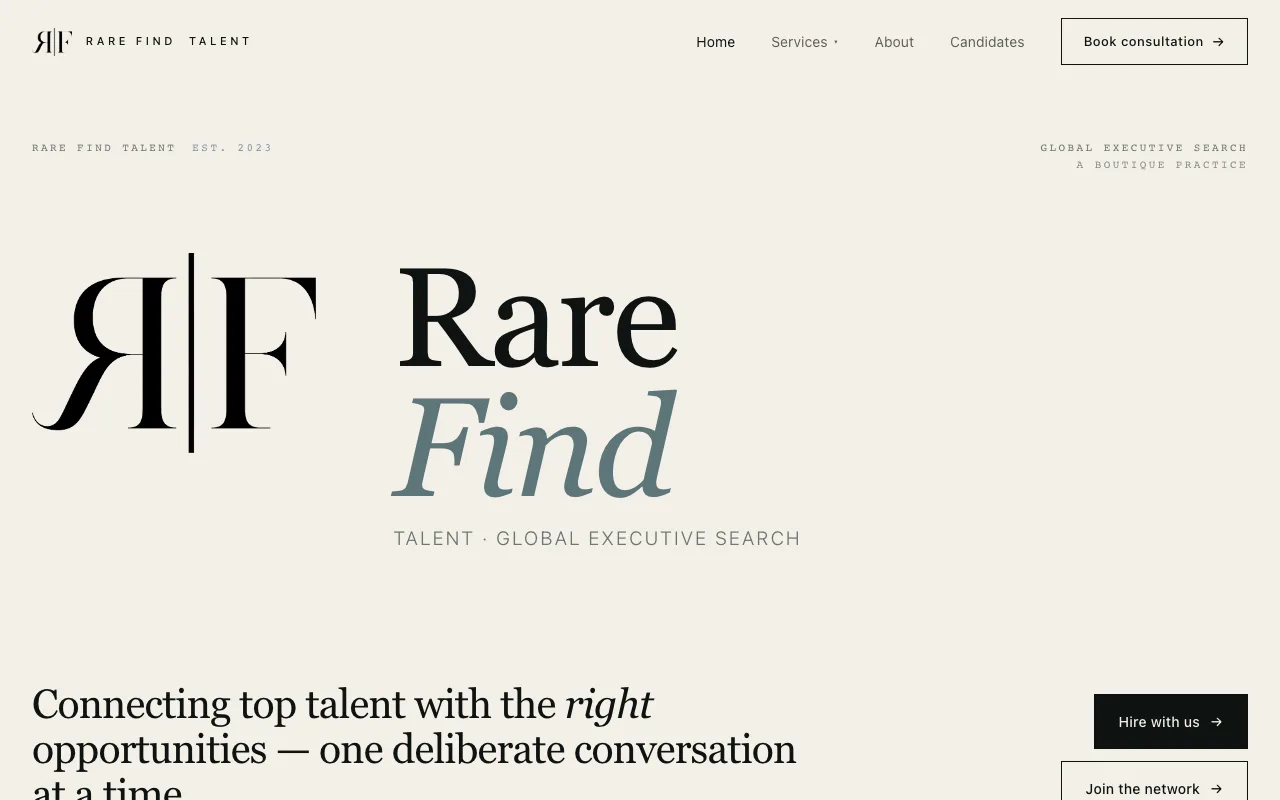
Agency site and candidate network, built to bring applicants in without a third-party job board taking the first handshake.
Read the case study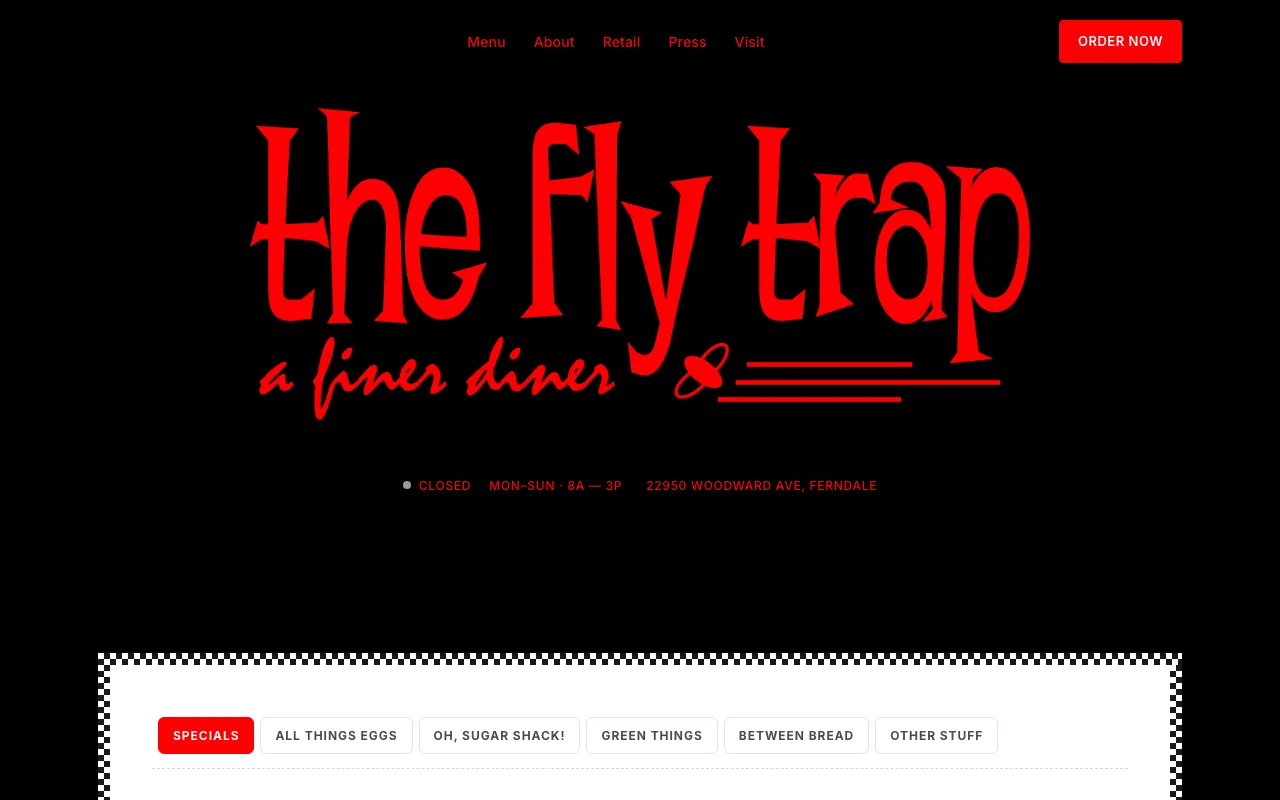
Menu and daily specials sync straight from their Toast POS — nobody has to update the website.
Read the case studyNo. 05 / Straight answers
Common signs: more than one person edits the same sheet and the versions drift, someone spends hours a week copying data between tools, customers catch mistakes before you do, or one person’s memory is the only documentation. Any one of those is worth a conversation.
Buy when a product fits your process and you would use most of it. Build when you are bending your process around a tool, paying for several tools to do one job, or when the workflow itself is what makes your business different. If an off-the-shelf tool would do, I will tell you on the call.
You do, completely: source code, documentation and the accounts it runs on. Walk away tomorrow and your team can still run it.
Scoping takes one to two weeks. A build usually runs 8 to 14 weeks in phases, with working software in staging from week two and a call with me every week.
Usually, yes. Most projects connect to existing systems rather than replacing all of them. I map what you use in the scoping step and keep what works.
I will tell you. Some work needs a team. If yours does, I bring in someone I trust or help you hire, because I would rather lose the job than overpromise it.
Also from Summit